Insider's Guide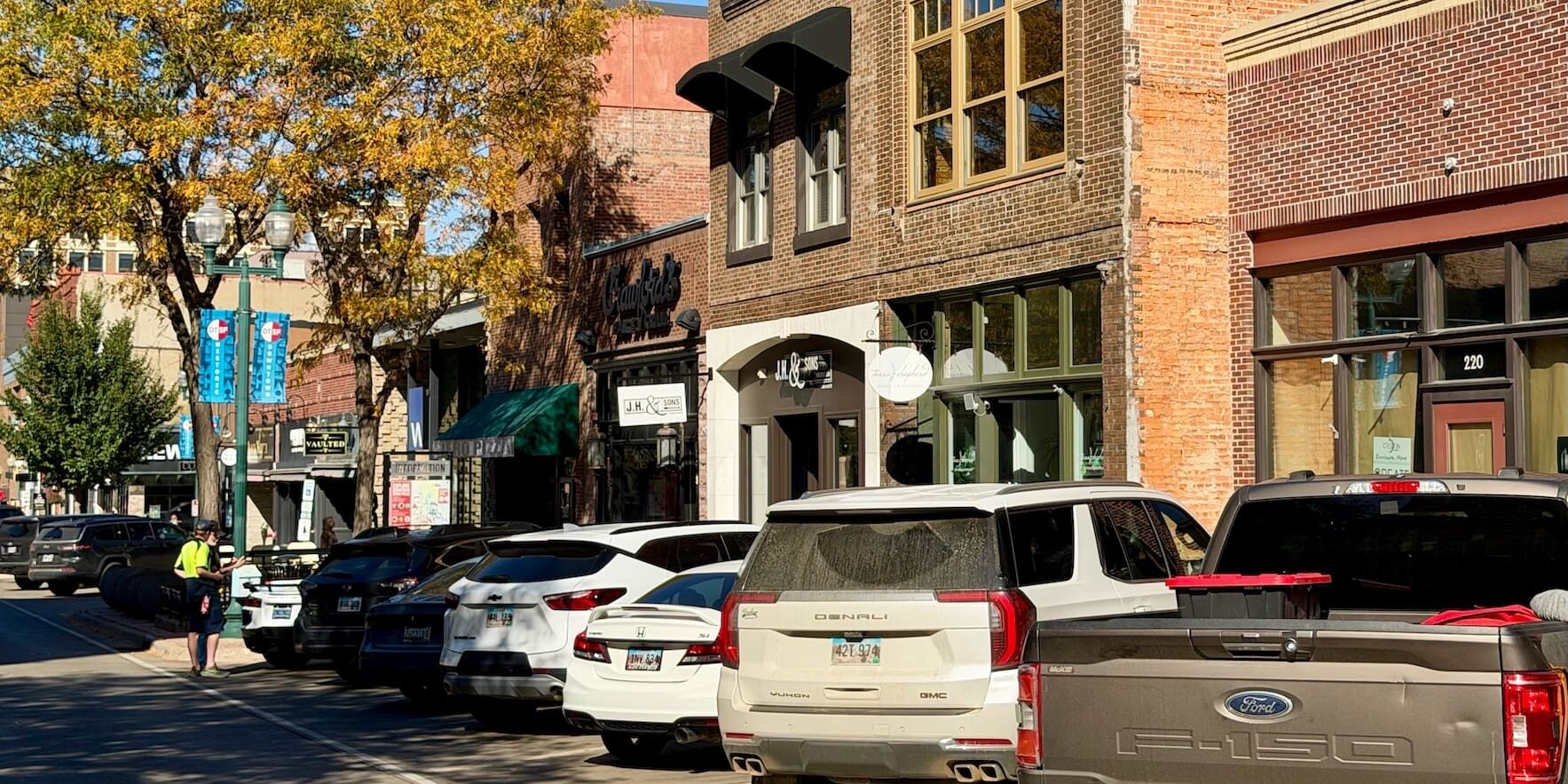
More properties would pay into the downtown Business Improvement District, or BID, in a proposal being considered by the City Council.
The change would remove current exemptions for industrial and purely multifamily properties in the BID, which were put in place years ago. Currently, 21 properties fall under that exemption.
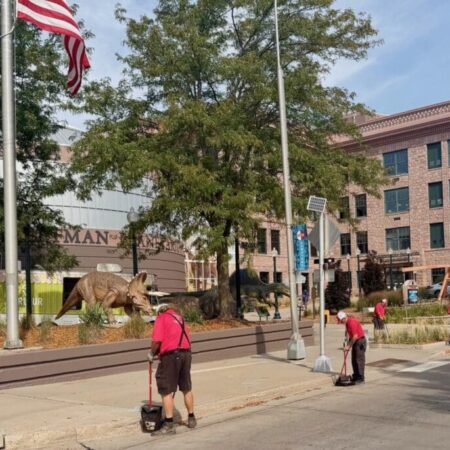
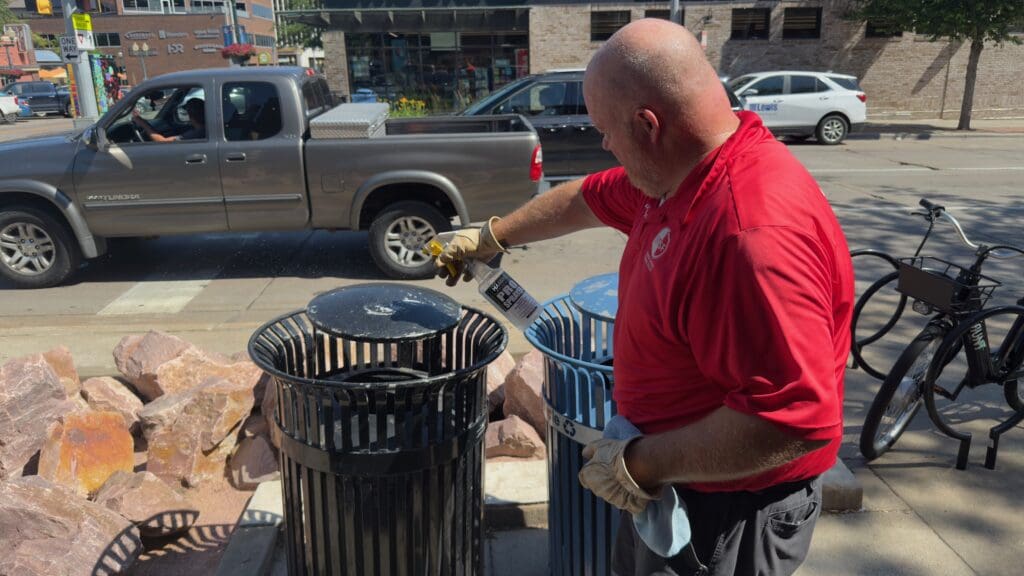
Funds generated through the BID support downtown activation and advocacy, as well as the Downtown Sioux Falls Inc. ambassador program, which serves as a resource for everything from beautification efforts to assisting visitors and connecting those on the street with resources.
The goal is “to push the ROI of downtown as far forward as we possibly can, for the benefit of the whole city,” said Brandon Hanson, CEO of DTSF.
“At its core, the BID is a shared service model … instead of every property owner trying to solve trash, graffiti, hospitality, beautification and other public realm issues individually.”
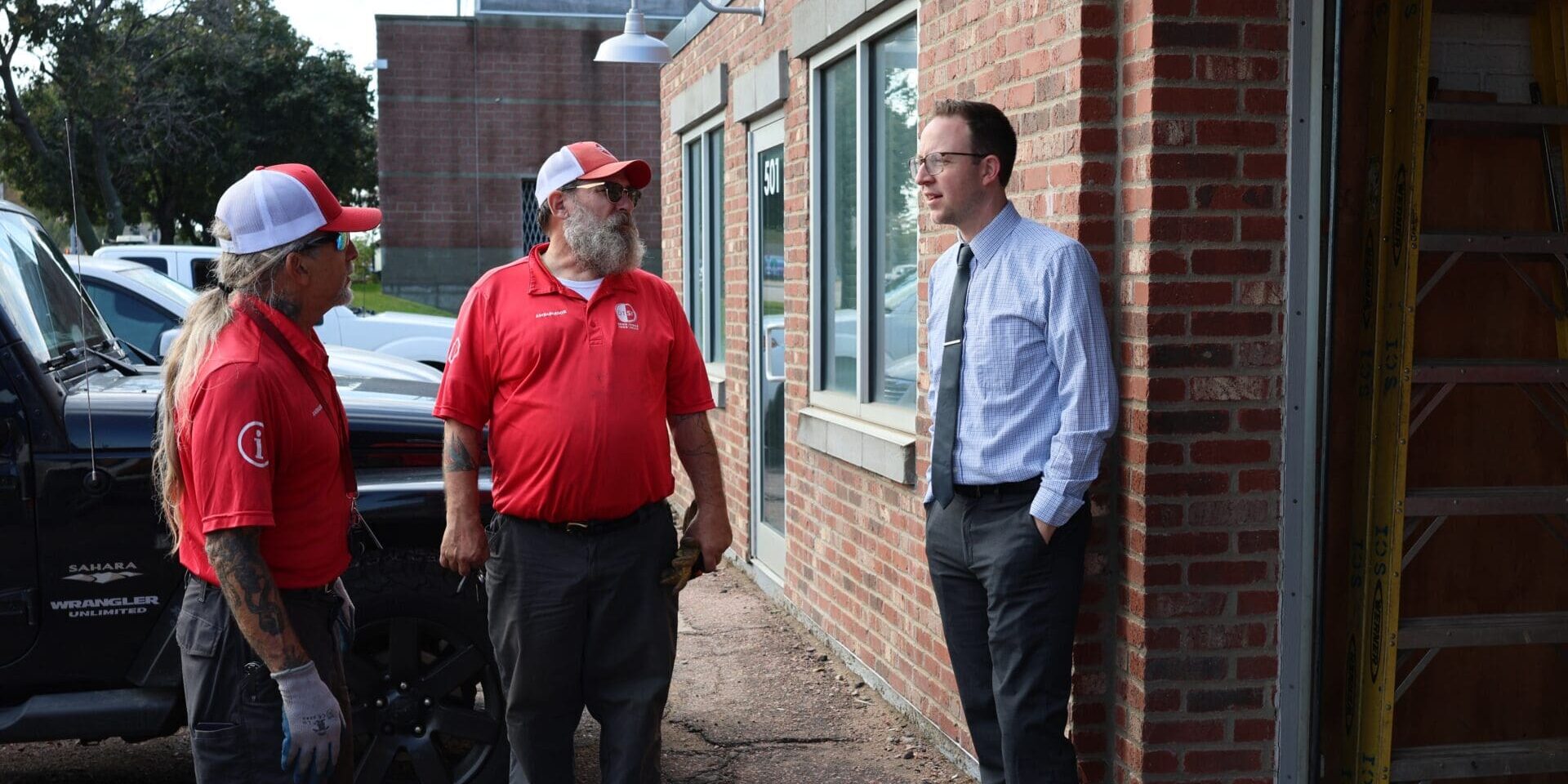
That also cuts down on asking the city to absorb similar costs, he said.
“Downtown at the end of the day belongs to the whole community,” Hanson added.
About 23,000 people — or one in five Sioux Falls residents — work downtown, while there are 6,200 downtown residents.
“So it’s about the 16th largest city if it were a city in our entire state,” Hanson said.
The BID board has adopted a philosophy of reviewing contributions regularly and recommending incremental changes consistently, he said.
In reviewing the current proposed BID changes, “it was really important to us to find the smallest possible change to build that muscle in keeping this an annual conversation,” Hanson said.
“There was a real enthusiasm that we’re finally addressing some of this inequity and broadening participation in the shared investment model.”
The exemptions originally were created decades ago to attract multifamily and industrial development downtown. That goal has shifted, Hanson said, with a more intentional focus on directing heavy industrial uses to areas like Foundation Park, and downtown has entered a new phase of growth and reinvestment.
The change will generate an estimated $23,000 per year to start, “but it represents something so much bigger,” Hanson said. That’s a commitment to growing the BID “thoughtfully and in phases,” he said.
Actual revenue won’t be seen for two years following approval. In the meantime, the city’s Community Partners grant has allowed DTSF to increase its ambassador program staffing through those additional funds.
A City Council vote on the BID change is scheduled for Oct. 14.