Insider's Guide
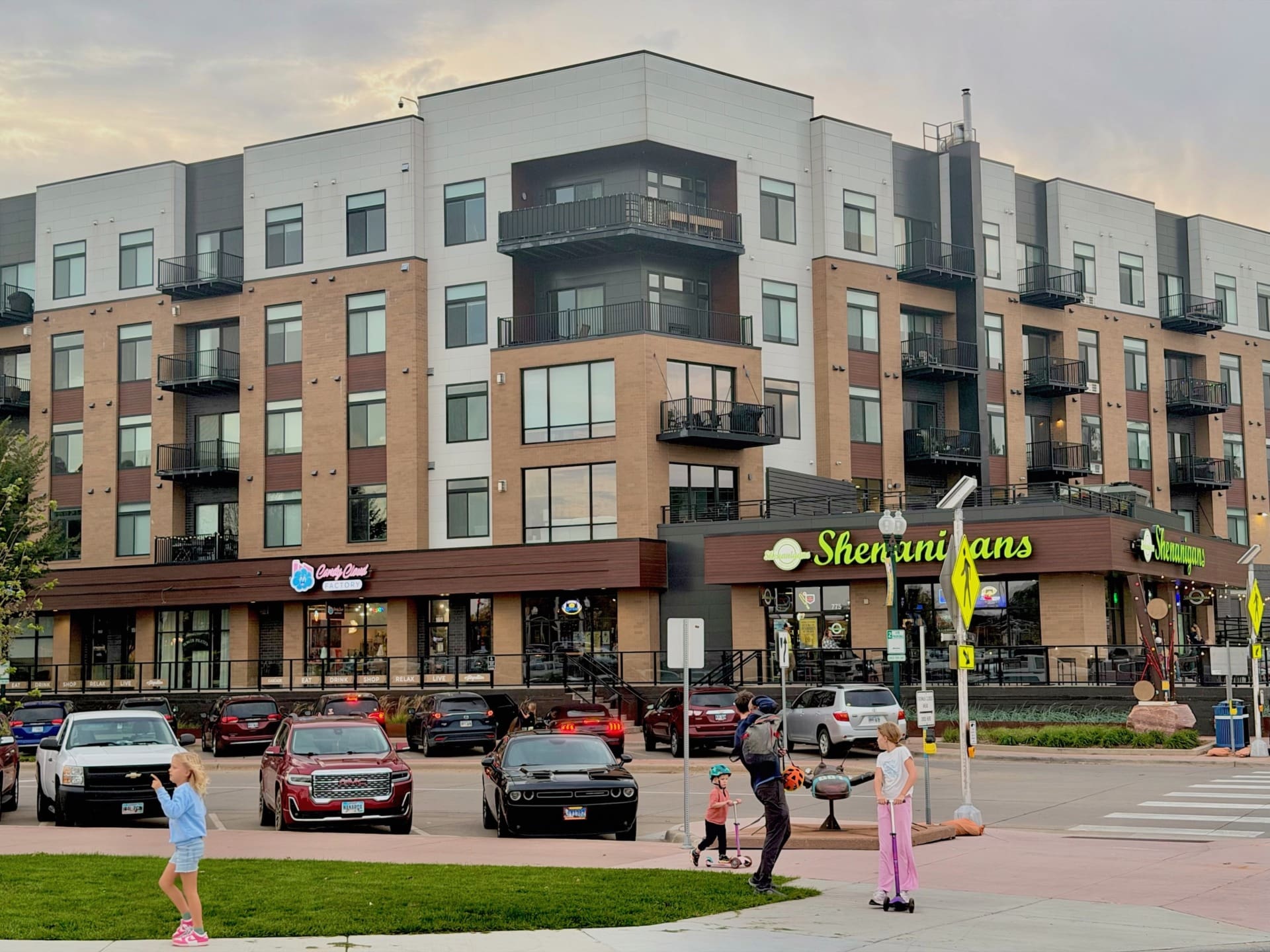
For every acre of property in downtown Sioux Falls, the city generates significantly more tax revenue than it does from an acre elsewhere in the community.
And not just by a small margin.
According to preliminary findings from a new national benchmarking study, downtown generates 240 percent more property tax revenue per acre than the rest of Sioux Falls.

It’s one example of what Downtown Sioux Falls Inc. hopes to demonstrate through a new research initiative that will measure downtown’s economic and community impact, compare its performance with downtowns nationwide and help guide decisions about future investments.
With grant support from the Sioux Falls Area Community Foundation, DTSF is participating in research by the International Downtown Association that examines how city centers contribute to their broader communities.
“We’ve always believed downtown was one of Sioux Falls’ greatest assets,” said Brandon Hanson, CEO of DTSF. “This study is giving us the data to prove it.”
The project will establish a baseline for measuring downtown’s performance and contribute to a permanent annual Downtown Scorecard.
It’s also providing early indications of how downtown Sioux Falls compares with other urban centers across the country.
According to preliminary findings, downtown Sioux Falls has experienced the strongest employment growth among the comparison downtowns studied to date, while Sioux Falls itself is the fastest-growing city in the research group.
But that doesn’t necessarily mean downtown is keeping pace with the community’s overall growth, an important distinction researchers hope to explore.
Measuring more than economic activity
The International Downtown Association began its Value of U.S. Downtowns and Center Cities research in 2017, seeking to quantify contributions that extend beyond a downtown’s boundaries.

The research combines hundreds of data points, including employment, property values, demographics, consumer spending, housing, tourism and transportation.
Those measurements are organized around five principles:
- Economy: Employment, property values, tax generation, business activity and economic growth.
- Inclusion: Demographics, diversity, education, housing availability and affordability.
- Vibrancy: Residential growth, visitation, retail, restaurants, entertainment and tourism.
- Identity: Historic buildings, arts, culture, museums, public art and entertainment destinations.
- Resilience: Walkability, transportation, mobility, sustainability and environmental performance.
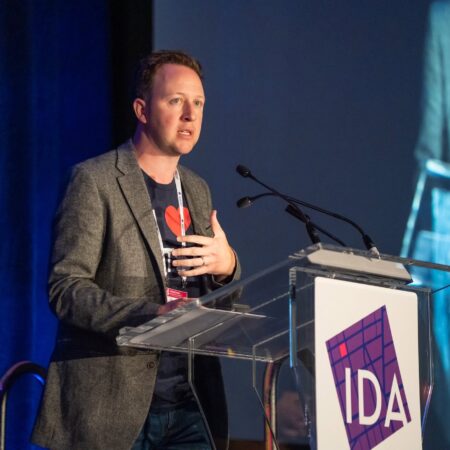
“Downtowns are economic engines, but they’re also places where people gather, connect, celebrate and build community,” said David T. Downey, president and CEO of the International Downtown Association.
“Our approach focuses on telling a data-driven story about how much downtown contributes to its city and region.”
The researchers use national public and proprietary data sources alongside information provided by local organizations.
DTSF’s involvement helps ensure the measurements reflect the area’s unique circumstances rather than relying exclusively on national statistics.
“Equally important is our collaboration with local organizations such as Downtown Sioux Falls Inc.,” Downey said. “Their knowledge and data help us interpret findings within the local context and ensure that the study reflects not only broad trends but also the unique characteristics and priorities of the Sioux Falls community.”
The research also allows communities to monitor how their downtowns evolve over time, rather than relying on a single snapshot.
Early findings reveal strengths and opportunities
Although the Sioux Falls analysis is not yet complete, several findings already stand out.
In addition to the concentration of property tax revenue and employment growth, the study identified downtown Sioux Falls as an “emerging downtown,” reflecting its current development and opportunities for additional growth.

Researchers also found that downtown has a larger industrial employment presence than many other urban centers, reflecting the city’s distinctive economic makeup.
Hanson said the results reinforce the importance of downtown to the broader community.
“Downtown delivers an outsized return for the entire community,” he said. “A strong downtown supports the broader tax base and helps fund services citywide.”
The research also points to an important question: How can downtown continue growing alongside one of the fastest-growing cities in the study?
Downey said much of Sioux Falls’ population growth has occurred in newer developments outside the urban core.
“Downtown population growth has not yet fully kept pace with the city’s broader expansion,” he said.
That presents an opportunity to consider additional downtown housing and redevelopment.
“Projects like The Switchyard on 8th demonstrate continued demand for downtown living, and the planned relocation of the Smithfield facility opens up one of the most significant redevelopment opportunities in the region,” Downey said.
“Taken together, these trends suggest downtown Sioux Falls could play an increasingly important role in accommodating future growth.”
The study also identified encouraging demographic changes, including a more balanced mix of residents across age groups.
Walkability is another strength.

Although most Sioux Falls residents commute by car, people who live downtown are four times more likely to walk to work than residents elsewhere in the city, according to the preliminary research.
Downtown also has a significantly higher walk score than the rest of Sioux Falls.
“Walkability is an important ingredient in building a vibrant downtown, helping connect residents and visitors to destinations such as Jacobson Plaza and other community amenities,” Downey said.
“Investments in public spaces like these help strengthen downtown’s appeal as both a place to live and a place to spend time and have led to Jacobson Plaza’s being awarded the urban place management industry’s highest honor, IDA’s Pinnacle Award this year.”
Foundation for future investment
For the Sioux Falls Area Community Foundation, supporting the research aligns with its mission of improving quality of life throughout the region.
The foundation approved a grant for the project through its recurring community grant-making process.
“Our mission is improving the quality of life in our area, and I think there are a lot of parts of this survey that are quality-of-life issues above and beyond the economic indicators,” said Patrick Gale, vice president of community investment.
That broader perspective was important to the foundation’s grants committee.

“I think we all feel we have a great downtown, but this survey can answer the question: How do we know we have a great downtown?” Gale said. “When you can compare yourself to peers in similar cities, that data should give us some idea of what we can do better and what we’re doing well.”
He’s particularly interested in seeing how downtown Sioux Falls measures up on housing, demographics, arts, culture and environmental considerations.
The research also could introduce new strategies already being used successfully elsewhere.
Gale pointed to DTSF’s downtown ambassador program as an example of an initiative inspired by another community.
“I think we will get inspiration from other communities in addition to having this baseline,” he said.
The foundation expects the resulting scorecard to become another resource for evaluating future opportunities and investments.
“We’ll be curious to follow it as it comes out and consider it another dashboard to assist in our decision-making,” Gale said.
Turning information into action
Other communities already have used the International Downtown Association’s research to support planning and investment decisions.
Downey pointed to Baton Rouge, Louisiana, where downtown leaders used the research to advocate for funding needed to update their downtown master plan.
Other cities have applied the findings to economic development strategies, public investment discussions and communication with elected officials and private investors.
“The research helps move conversations beyond anecdotes by providing a common set of metrics to understand downtown performance and change over time,” Downey said.
That’s the long-term opportunity Hanson sees for Sioux Falls.
The annual Downtown Scorecard will provide a consistent way to measure progress, identify opportunities and evaluate the impact of decisions involving housing, infrastructure, public spaces and private development.

The study also reinforces the connection between public investment and private sector activity, with downtown improvements often helping attract additional development.
Having credible comparisons and consistent data will make it easier to communicate that relationship to community leaders, investors and residents, Hanson said.
“The long-term value of this project is that it will create an annual Downtown Scorecard,” he said. “For the first time, Sioux Falls will have a consistent way to measure downtown’s performance against peer communities, identify emerging opportunities and make smarter decisions about development, infrastructure and investment.”
And while the early results suggest downtown has a strong foundation, the larger purpose is to understand how to build upon it.
“Rather than relying on assumptions, we’ll have real data to guide how we strengthen downtown’s role in supporting the region’s economy, identity and quality of life,” Hanson said.